
Intimate Whitening in Dubai
Personalised Intimate-Area Pigmentation Consultation in Dubai
Intimate whitening refers to cosmetic approaches intended to reduce the appearance of darker pigmentation on selected external skin areas. Skin tone varies naturally; an assessment is important before considering any treatment.
What is Intimate Whitening?
The term intimate whitening is commonly used for cosmetic treatment of pigmentation on external intimate-area skin. Darker colour in these areas is frequently normal and may reflect genetics, hormones, friction or previous irritation. Treatment options depend on the cause and exact location. Not every product or procedure is suitable for sensitive genital skin, and the aim is not to change anyone’s natural skin tone to a fixed standard.
You may wish to discuss new or longstanding pigmentation, irritation-related darkening or questions about external skin appearance. An examination can identify whether treatment is appropriate or whether a skin condition needs care first.
Natural Pigmentation Changes
Skin colour can vary with genetics, hormones and age; darker intimate skin is often normal.
Darkening After Irritation
Friction, shaving or previous inflammation can contribute to post-inflammatory pigmentation.
Sensitive-Skin Treatment Planning
External intimate skin requires cautious product selection and attention to irritation and barrier health.
Individualised care: New, changing, painful, itchy or irregularly pigmented areas should be medically assessed before any cosmetic treatment. Avoid unregulated bleaching creams and harsh DIY products.

During your visit, you can discuss your symptoms, priorities, previous births or surgeries and any concerns about recovery. The assessment may include a medical history, a physical examination when appropriate, and a discussion of the benefits and limitations of each option.
Dr. Melika Assefi can explain the proposed care plan and help you understand what questions to ask before making a decision.
Consultation & Skin Assessment
The clinician reviews the pattern of pigmentation, symptoms, skin sensitivity, relevant medications and possible causes. A medical concern should be excluded first.
Individualised Treatment Choice
If cosmetic treatment is appropriate, options and their evidence, limitations and risks are discussed. The approach depends on the external skin site and should avoid unapproved or irritating products.
Skin Care & Follow-Up
You receive guidance on gentle cleansing, friction reduction, skin protection and follow-up. Any irritation or unexpected change should prompt reassessment.
Individualised treatment
Depending on the diagnosis, a clinician may discuss gentle skincare, addressing irritation or carefully selected topical treatments. Procedures such as peels or energy-based treatments may not be suitable for sensitive genital skin.
Why caution is important
Aggressive products, unregulated bleaching agents or inappropriate procedures can cause burns, irritation, scarring or darker post-inflammatory pigmentation. Do not apply strong lightening products to mucosal tissue without medical advice.
Expected outcome and aftercare
Results depend on the cause and skin type; complete or permanent lightening cannot be promised. Gentle cleansing, friction reduction, sun protection for exposed adjacent skin and adherence to aftercare may help maintain skin comfort.
Aftercare depends entirely on the treatment selected. Sensitive skin may develop redness, dryness, irritation or temporary worsening of pigmentation. Avoid scrubs, strong acids and unregulated bleaching products on intimate skin. Follow the treating clinician’s instructions, and seek assessment for blistering, persistent burning or changes in a pigmented lesion.
Frequently Asked Questions
Yes. Colour varies widely between people and across body areas. Darker pigmentation is often a normal variation.
Genetics, hormones, friction and previous inflammation may contribute. New or changing patches can require medical assessment.
The cosmetic term should refer to external skin. Products or cosmetic procedures should not be used inside the vagina for whitening.
There is no universal treatment. The cause, skin type, exact area and available evidence should guide a personalised recommendation.
Some products can irritate or damage sensitive skin. Avoid unregulated bleaching agents and do not use strong products without medical advice.
Pigmentation may recur, particularly if friction, irritation or hormonal factors continue. No permanent result can be guaranteed.
Energy-based procedures can cause burns, scarring or changes in pigmentation. Their suitability and evidence for intimate cosmetic use must be carefully assessed.
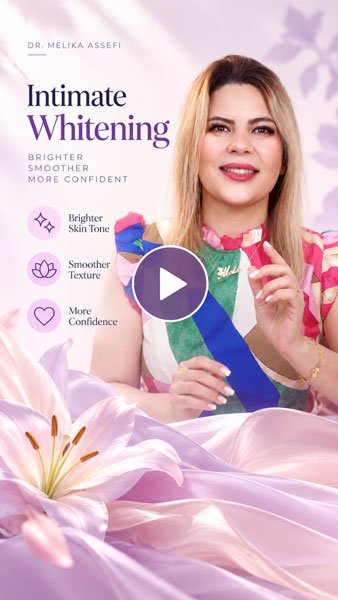
WATCH VIDEO
See the Treatment Explained
Watch this short video to learn more about the procedure, what to expect during your consultation, and the approach to personalized care.
Expert Guidance
Insights from your specialist.
Personalized Care
Understand the options available to you.
Confidence Through Clarity
Make informed decisions about your treatment.
Related Gynaecological Procedures
Different procedures address different anatomical areas. Your consultation can help clarify which, if any, is relevant to your concerns.




 Trustindex verifies that the original source of the review is Google.
Owner's reply
Thanks dear💗
 Trustindex verifies that the original source of the review is Google.
Owner's reply
Thanks dear💗
 Trustindex verifies that the original source of the review is Google.
Owner's reply
Thanks dear💗
 Trustindex verifies that the original source of the review is Google.
Owner's reply
Thanks dear💗
Book Your Appointment
We are here to help you. Schedule your appointment today and take the
first step towards better health and confidence.