
Your Complete First Trimester Guide: What to Expect
PregnancyYour Complete First Trimester Guide: What to Expect
By Dr. Melika Assefi|Jan 15, 2024|8 min read
The first trimester of pregnancy spans from week one through week twelve and is a period of incredible transformation. During these early weeks, your body undergoes rapid hormonal changes that support the development of a new life. Understanding what to expect during this critical phase can help you navigate the journey with confidence and peace of mind.
Conception typically occurs about two weeks after the first day of your last menstrual period. Once the egg is fertilized, it travels through the fallopian tube and implants into the uterine lining. This is when your body begins producing human chorionic gonadotropin (hCG), the hormone detected by pregnancy tests. Many women first suspect they are pregnant when they miss a period, though some experience spotting and cramping around implantation time.
Hormonal changes during the first trimester can bring a wide range of symptoms. Fatigue is one of the most common complaints, driven by rising progesterone levels and increased blood production. Nausea and vomiting, often called morning sickness, affects up to 80 percent of pregnant women and can occur at any time of day. Other early symptoms include breast tenderness, frequent urination, food aversions, mood swings, and bloating.
Prenatal care begins in the first trimester, and scheduling your first appointment early is essential. Your initial prenatal visit will typically include a confirmation of pregnancy, a comprehensive health history review, a physical examination, and blood tests to check your blood type, Rh factor, hemoglobin levels, and immunity to certain diseases. Your doctor will also discuss lifestyle modifications including nutrition, exercise, and substances to avoid.
One of the most exciting milestones of the first trimester is your first ultrasound, usually performed between six and nine weeks. This scan confirms the location of the pregnancy, checks for a fetal heartbeat, and estimates your due date. By the end of the first trimester, your baby has developed all major organs and body systems. The tiny heart, which started beating around week six, now has four chambers, and your baby's fingers, toes, and facial features are beginning to form.
Nutrition plays a vital role during the first trimester. A balanced diet rich in folic acid, iron, calcium, and omega-3 fatty acids supports your baby's rapid development. Folic acid is particularly important in the early weeks to prevent neural tube defects. Your doctor will likely recommend a prenatal vitamin containing at least 400 micrograms of folic acid. Staying hydrated and eating small frequent meals can help manage nausea.
Exercise during the first trimester is generally safe and encouraged for most women. Moderate activities such as walking, swimming, stationary cycling, and prenatal yoga can help boost energy levels and improve mood. However, it is important to consult your healthcare provider before starting any new exercise routine and to avoid activities with a high risk of falling or abdominal impact.
Emotional changes are just as significant as physical ones during the first trimester. Many women experience a mix of excitement, anxiety, and uncertainty. Building a support system of trusted friends, family members, or a professional counselor can provide valuable emotional support. If you experience severe nausea preventing you from keeping food down, heavy bleeding, or severe abdominal pain, contact your healthcare provider immediately.
Related Articles in Pregnancy

Breastfeeding Basics: Tips for New Mothers
Breastfeeding is a natural yet learned process that requires patience, practice, and support.
Read More →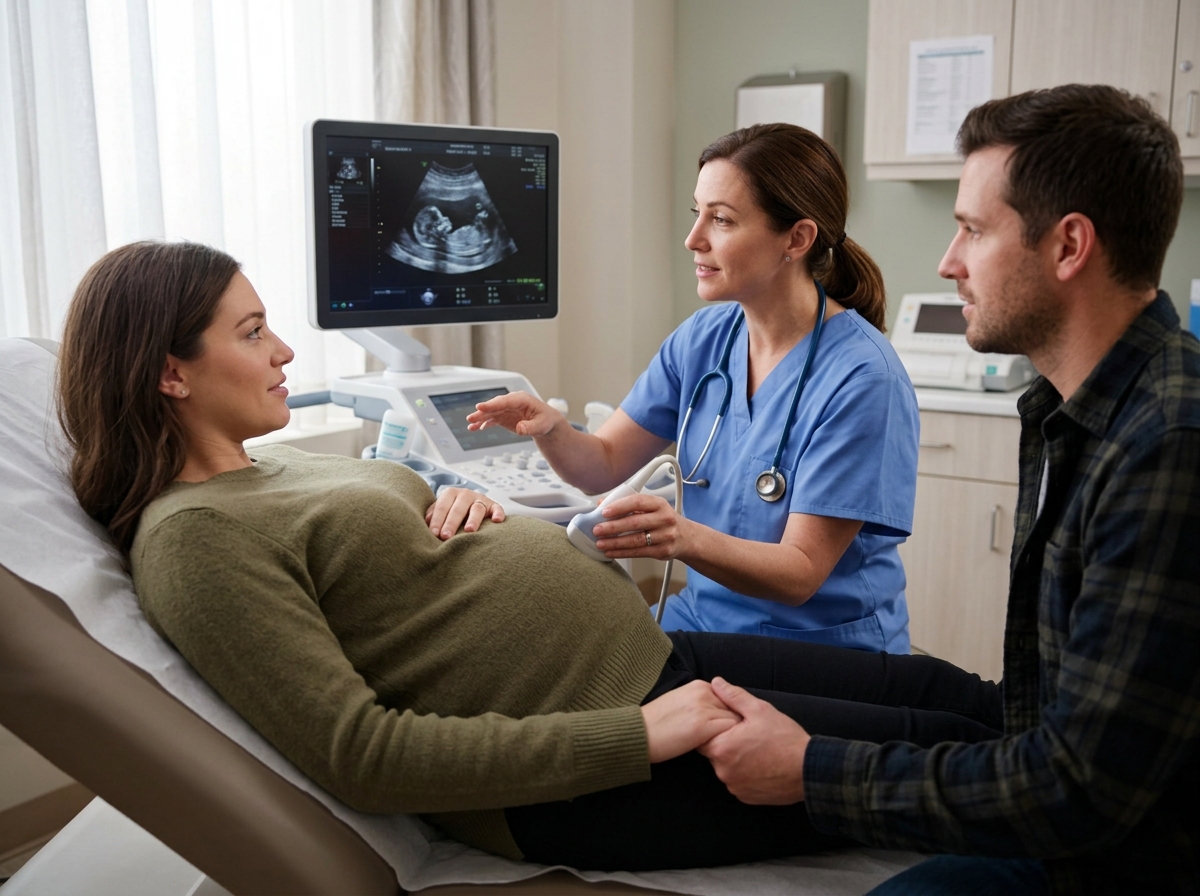
High Risk Pregnancy: Causes, Monitoring & Management
A high-risk pregnancy is one in which the mother, the baby, or both face an increased likelihood of health complications.
Read More →
Hormonal Balance: Natural Ways to Support Your Endocrine Health
Hormones are chemical messengers that regulate virtually every function in the human body, from metabolism and growth to mood and reproduction.
Read More →