Uterine Fibroids Explained: Types, Symptoms & Treatments
GynecologyUterine Fibroids Explained: Types, Symptoms & Treatments
By Dr. Melika Assefi|Apr 1, 2024|7 min read
Uterine fibroids, also known as leiomyomas, are non-cancerous growths that develop in or on the uterus. They are exceptionally common, affecting up to 70 percent of women by age 50. While many women with fibroids experience no symptoms, others may suffer from heavy bleeding, pain, and fertility issues. Understanding the types, symptoms, and treatment options is essential for making informed decisions about your health.
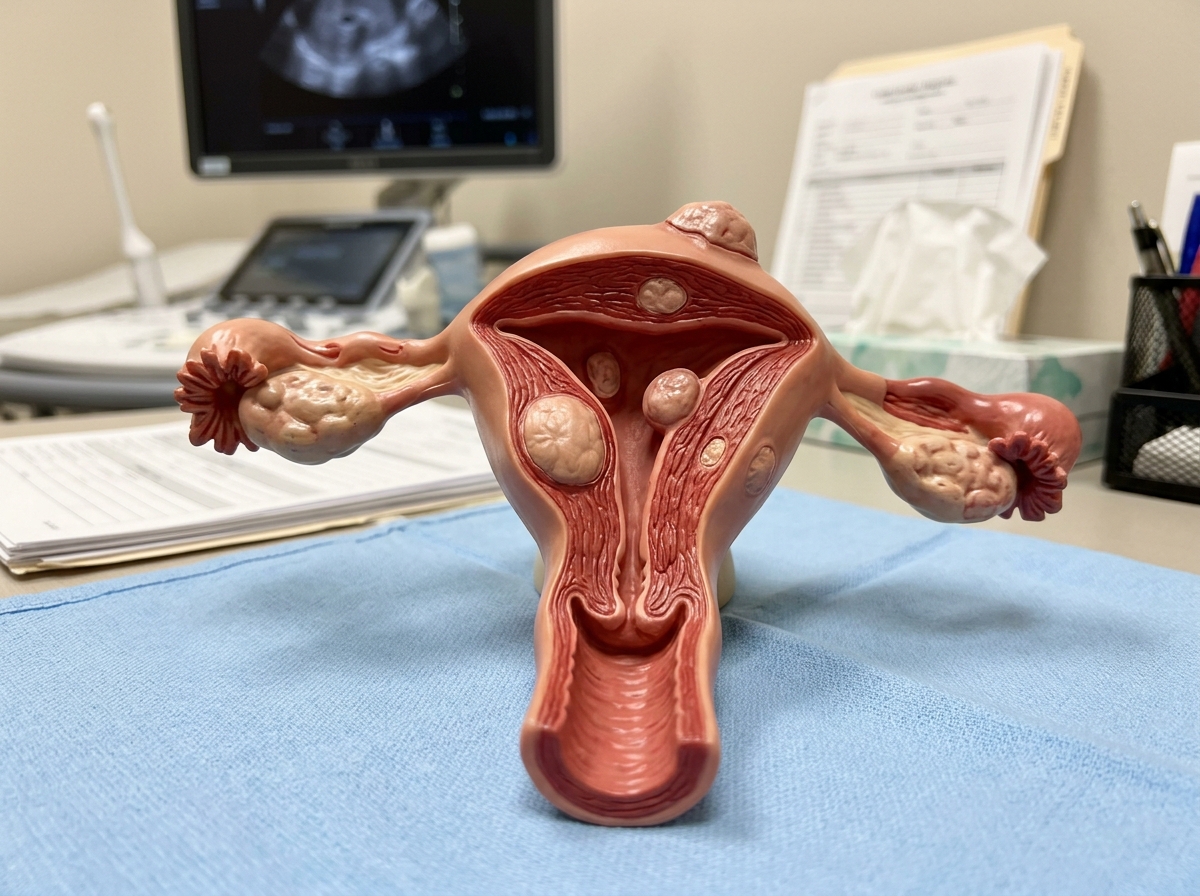
Fibroids are classified based on their location within the uterus. Submucosal fibroids grow just beneath the uterine lining and protrude into the uterine cavity, often causing heavy menstrual bleeding and fertility problems. Intramural fibroids develop within the muscular wall of the uterus and are the most common type. Subserosal fibroids project outward from the outer surface of the uterus and may cause pressure symptoms on surrounding organs.
The exact cause of fibroids remains unknown, but their growth is influenced by estrogen and progesterone. This is why fibroids typically enlarge during the reproductive years and shrink after menopause. Risk factors for developing fibroids include age, family history, obesity, high blood pressure, and African American ethnicity which carries a three to five times higher risk of fibroid development and more severe symptoms.
Symptoms of uterine fibroids vary depending on the size, number, and location of the growths. Heavy or prolonged menstrual bleeding is the most common symptom, often leading to anemia and fatigue. Many women experience pelvic pressure, bloating, and lower back pain. Large fibroids can cause urinary frequency or urgency by compressing the bladder, and constipation by pressing on the rectum. Some women also experience pain during intercourse.
Diagnosis of uterine fibroids is typically made during a pelvic examination and confirmed through imaging studies. Ultrasound is the most common and accessible imaging modality. Magnetic resonance imaging may be used for more detailed mapping of fibroids, particularly when surgical treatment is being considered. Hysteroscopy, sonohysterography, and hysterosalpingography are specialized techniques used to evaluate submucosal fibroids and their impact on the uterine cavity.
Treatment options for fibroids range from watchful waiting to surgical intervention, depending on symptom severity and reproductive goals. For asymptomatic fibroids, monitoring with regular ultrasounds may be sufficient. Symptomatic fibroids can be managed with medications including hormonal contraceptives to control bleeding, gonadotropin-releasing hormone agonists to shrink fibroids temporarily, and tranexamic acid to reduce menstrual blood loss.
Minimally invasive procedures offer alternatives to traditional surgery for many women. Uterine artery embolization blocks the blood supply to fibroids, causing them to shrink. MRI-guided focused ultrasound uses sound waves to destroy fibroid tissue. Myomectomy, the surgical removal of fibroids while preserving the uterus, is recommended for women who wish to maintain fertility. Hysterectomy, the removal of the uterus, is the definitive treatment for women who have completed childbearing.
Fibroids can impact fertility by distorting the uterine cavity, interfering with implantation, or blocking the fallopian tubes. Submucosal fibroids have the greatest impact on fertility, and their removal through hysteroscopic myomectomy can significantly improve pregnancy outcomes. Women with fibroids who are planning pregnancy should discuss their specific situation with a reproductive specialist to determine the optimal timing and approach for treatment.
Related Articles in Gynecology
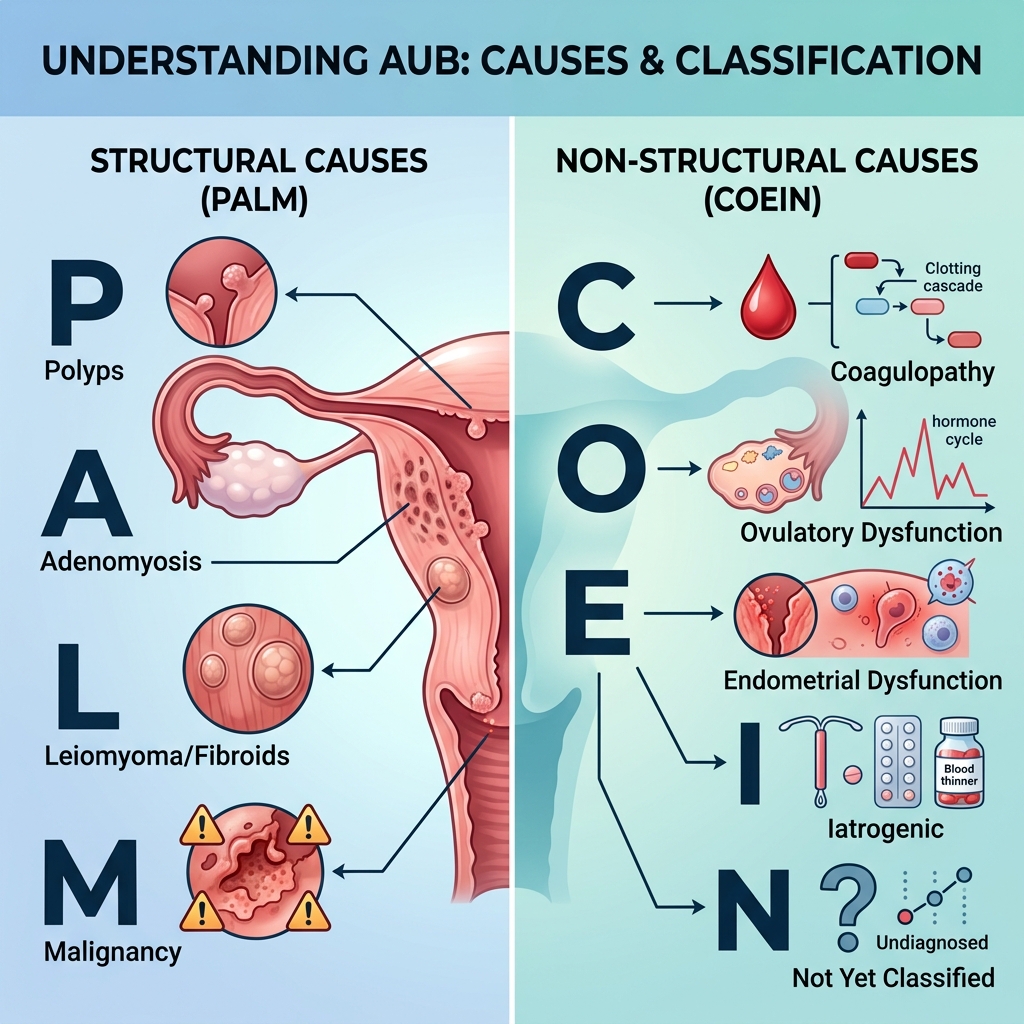
Abnormal Uterine Bleeding: Causes & Treatment Options
Abnormal uterine bleeding is one of the most common reasons women seek gynecological care, accounting for up to one-third of outpatient visits.
Read More →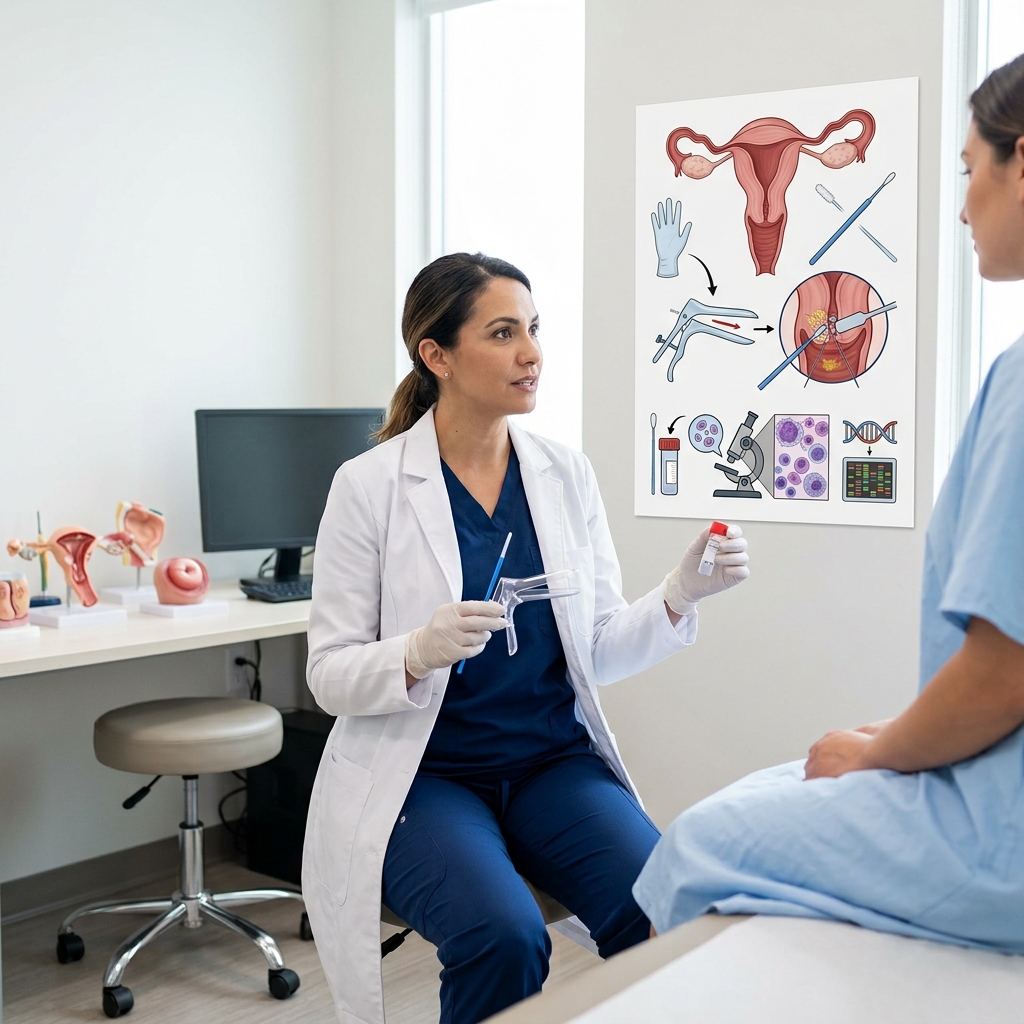
Cervical Cancer Screening: Pap Smear & HPV Testing Guide
Cervical cancer screening is one of the most successful cancer prevention strategies in modern medicine.
Read More →
Endometriosis: Understanding This Common Gynecological Condition
Endometriosis is a chronic gynecological condition in which tissue similar to the lining of the uterus, known as endometrial-like tissue, grows outside the uterus.
Read More →